JobPro to Sage: webhook sync blueprint (no public API)

JobPro Sage integration without a public API is doable. Use outbound webhooks and a middleware layer to sync customers, jobs, invoices, and job costs reliably.

Jul 9, 2026
JobPro to Sage: webhook sync blueprint (no public API)
If you need a JobPro ↔ Sage integration but JobPro doesn’t offer a public API, you can still build a reliable sync by using outbound webhooks from JobPro and a middleware/connector layer that validates, transforms, and upserts data into Sage. The practical path is to start with one-directional “create” events (customers → jobs → invoices) and then expand to updates, job costs, and error handling.
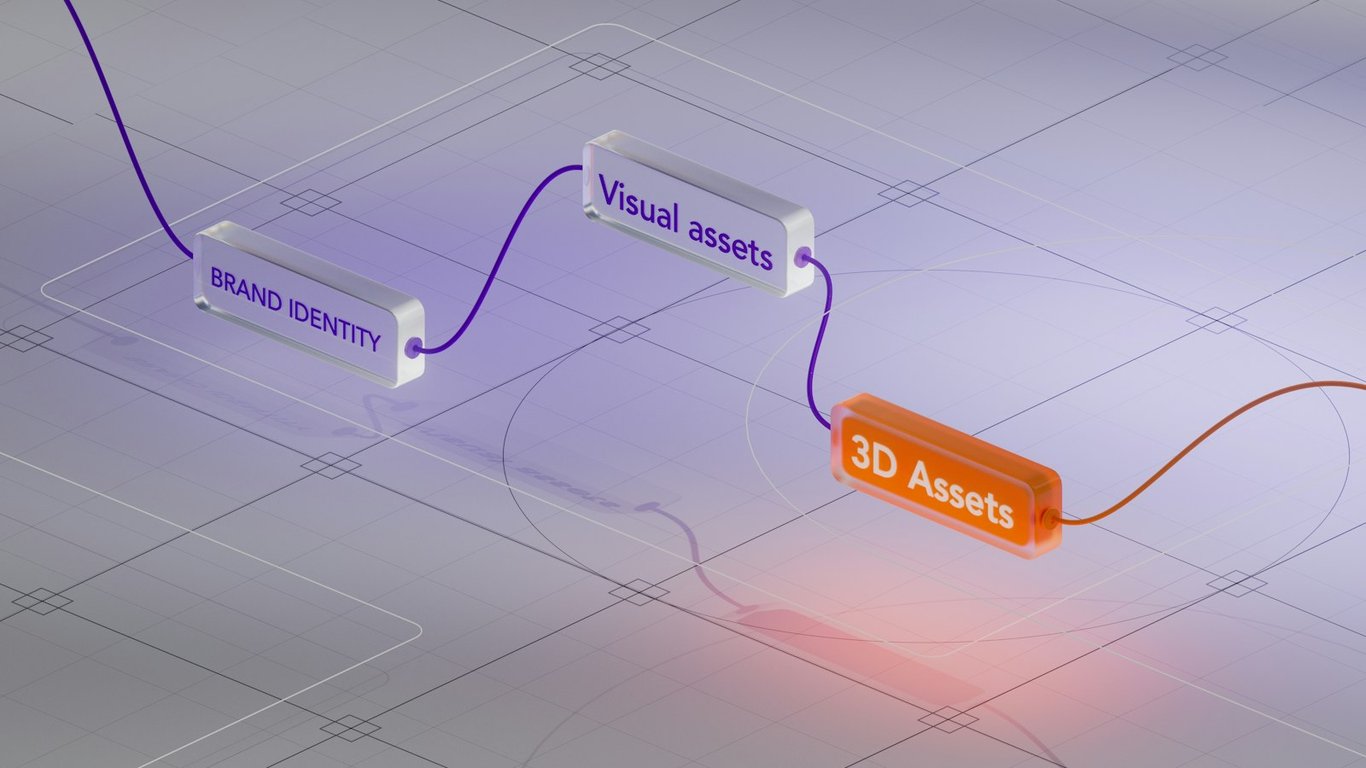
Photo by Alina Grubnyak on Unsplash

Why this integration is tricky (and why webhooks are the workaround)

  • No public API means you can’t just “pull” data from JobPro on a schedule.
  • Webhooks flip the model: JobPro pushes events to your endpoint when something changes.
  • Sage often requires structured, validated payloads (and sometimes batching/queues), which is where middleware earns its keep.

The four objects you should sync (and in what order)

  1. Customers (accounts/companies/contacts)
  2. Jobs / projects (must link to a customer)
  3. Invoices (must link to a job and a customer)
  4. Job costs (labor, materials, subcontractors, cost codes—often the hardest mapping)
Recommended build order: Customers → Jobs → Invoices → Job costs.

Target architecture: JobPro → Webhooks → Middleware → Sage

Components

  • JobPro webhooks (outbound)
  • Webhook receiver endpoint (HTTPS)
  • Middleware layer (Make, Zapier, custom serverless, iPaaS, or a purpose-built connector)
  • Sage connector (API, import process, or private integration)
  • Queue + retry store (database or durable queue)

Why middleware is non-negotiable

Middleware provides:
  • Authentication/verification for incoming events (shared secret, IP allowlist, signatures if available)
  • Deduplication and idempotency (so retries don’t create duplicates)
  • Field mapping and normalization (names, addresses, tax rules, item codes)
  • Error handling + retry/backoff
  • Observability (logs + alerts)

Step-by-step blueprint (what to implement)

Step 1: Define the event model

For each object type, decide:
  • Create events: new customer/job/invoice/cost posted
  • Update events: edits, status changes, revised invoice totals
  • Delete/cancel events: if your accounting process needs reversals
At minimum, you’ll want:
  • customer.created, customer.updated
  • job.created, job.updated
  • invoice.created, invoice.updated
  • jobcost.created, jobcost.updated

Step 2: Set up webhook endpoints (URLs)

Most JobPro-style webhook setups support either:
  • One base URL with multiple endpoints, or
  • Multiple dedicated endpoints (one per event type)
Example endpoint pattern:
  • /webhooks/jobpro/customers
  • /webhooks/jobpro/jobs
  • /webhooks/jobpro/invoices
  • /webhooks/jobpro/job-costs
Tip: If the webhook sender allows it, include an environment segment so you can safely test:
  • /webhooks/jobpro/sandbox/invoices
  • /webhooks/jobpro/prod/invoices

Step 3: Build a “normalize + upsert” mapping layer

You’ll typically map:
  • JobPro Customer → Sage Customer/Contact
  • JobPro Job → Sage Project/Job/Order
  • JobPro Invoice → Sage Sales invoice
  • JobPro Job cost → Sage Cost transaction / bill / timesheet / GL entry (depends on Sage product)
Create a mapping spec that includes:
  • Required fields
  • Default values
  • Data type coercion rules
  • Lookup rules (e.g., if customer exists, update; if not, create)

Step 4: Add idempotency and deduplication

Webhooks can arrive:
  • multiple times (retries)
  • out of order
  • in bursts
Implement:
  • A unique event ID (from payload) or generate one from (object_type, object_id, updated_at)
  • A processed-events table or cache
  • An upsert-by-external-id strategy in Sage (store JobPro IDs in a custom field if possible)

Step 5: Queue, retry, and reconciliation

  • Push every event into a durable queue.
  • Process asynchronously so Sage downtime doesn’t drop data.
  • Retry with backoff.
  • Add a nightly reconciliation report (counts by day, failed events, missing links).

Field-mapping checklist (what you need from both teams)

Customer

  • External ID (JobPro customer ID)
  • Name (company + contact)
  • Billing address + shipping/job site address
  • Email/phone
  • Taxability + tax region

Job / Project

  • External ID (JobPro job ID)
  • Customer link (must reference the mapped Sage customer)
  • Job name + description
  • Job status/stage
  • Job site address
  • Start date / close date

Invoice

  • External ID (JobPro invoice ID)
  • Customer link
  • Job/project link
  • Invoice date, due date
  • Line items (SKU/item code mapping)
  • Taxes/discounts
  • Payment status

Job costs

  • External ID (cost entry ID)
  • Job/project link
  • Cost type (labor/material/sub)
  • Cost codes / categories
  • Quantity, unit cost, total cost
  • Date posted

Expected timeline (realistic planning)

A practical timeline for a first working version is usually:
  • Week 1: specs + mapping + webhook endpoint setup
  • Weeks 2–3: webhook configuration + middleware processing + Sage connector work
  • Week 4: hardening (retries, deduping, alerts) + UAT + rollout
Complex job-cost mapping can extend the project, so it’s common to ship customers/jobs/invoices first and add job costs next.

Common pitfalls (and how to avoid them)

  • Duplicate records: solve with idempotency + external IDs.
  • Broken relationships: enforce ordering (customer before job; job before invoice).
  • Silent failures: add alerts on failed events and a daily reconciliation.
  • Scope creep in job costs: start with the minimum cost fields required for financial reporting, then expand.

Get help building this

Building a JobPro ↔ Sage integration without a public API breaks in two places: the webhook receiver when Sage is down, and the field mapping when job cost categories don't match GL codes. If you've hit either wall, book a ZoomFlow session — one of our consultants can design the webhook architecture, map fields cleanly, and ship an integration that won't break at month-end.