Primary keyword: bullet notion site canonical urls
The problem: Notion-site URLs break internal linking
If your site is built on Notion but published through a layer like Bullet or Super, it’s easy for internal links to accidentally point to the raw Notion site domain (for example, *.notion.site). Those links can:
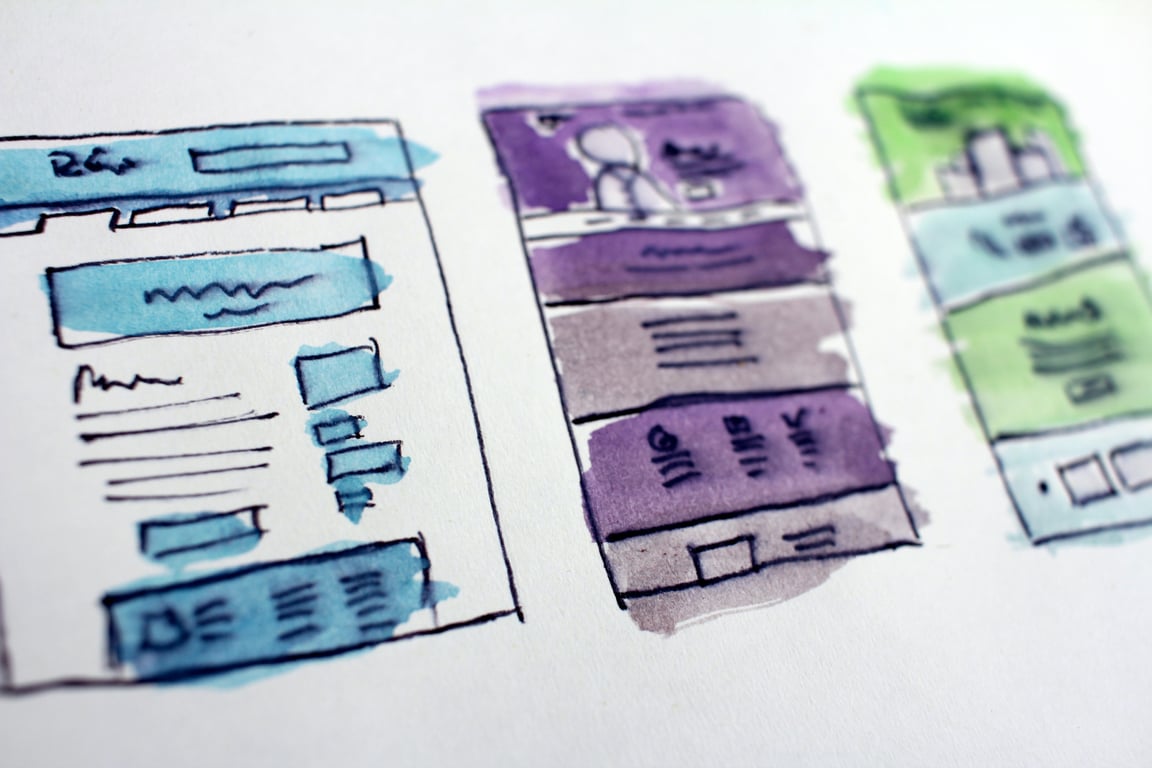
Photo by Hal Gatewood on Unsplash
send visitors to the wrong domain (or an unpublished Notion page)
bypass your navigation and analytics setup
dilute SEO signals by splitting authority across multiple hostnames
The fix is straightforward: make every internal link resolve to your canonical domain (your real website domain), not the Notion-powered source domain.
What “canonical” means for a Notion-based website
A canonical URL is the version of a page URL you want search engines (and humans) to treat as the primary one.
If you publish through Bullet/Super, your canonical is typically your real site domain (example: https://connex.digital/...) and not the underlying Notion share/publish URL.
Step 1: Define your canonical URL rules (write these down)
Before you touch links, decide what “correct” looks like.
Common rules:
The canonical domain is your marketing domain (example: https://connex.digital).
Every page has exactly one canonical URL format (trailing slash or not, consistent casing, etc.).
Any non-canonical hostnames should redirect to canonical.
Step 2: Audit your current internal links (quick + thorough options)
Quick audit (good for small sites)
Export or crawl your site (or just sample 20–50 pages).
Search for notion.site, notion.so, and other non-canonical domains.
Record where they appear (page URL + the link destination).
Thorough audit (better for growing sites)
Use a crawler (or a scripted audit) to list every link on your site.
Filter for any link destinations that don’t start with your canonical domain.
Step 3: Fix links in the source of truth
Where bad links usually come from:
copied text (especially when someone copies from Notion itself)
old templates
database properties that generate URLs (formula fields)
“find and replace” actions that only partially updated URLs
Fixes that usually work:
Replace the link target with the canonical URL.
If you use database-generated links, update the formula so the output is canonical.
If the page is built from a template, fix the template and re-apply where needed.
Step 4: Add (or confirm) redirects for non-canonical domains
Even with perfect internal links, you’ll still get:
old links from Slack, email, or bookmarks
links that were indexed before the fix
Make sure your publishing layer redirects non-canonical URLs to canonical ones. This is the safety net that prevents one-off mistakes from becoming long-term SEO problems.
Step 5: Prevent the problem from coming back (the real win)
Use prevention mechanisms so you don’t have to do this audit every month.
Prevention checklist
Standardize templates so internal links are always canonical.
Store canonical URLs in one place (database property), and link to that.
If you have “URL” formulas, make sure they always output canonical URLs.
Train the team to avoid copying Notion “Share” links into web copy.
Example: how to link internally without leaking Notion URLs
If you mention Notion in your post/site, link it to your canonical app page, not the Notion share URL.
Search the updated pages for notion.site and notion.so.
Click-test links in the published site (not only inside Notion).
Confirm redirects work for at least 3 sample non-canonical URLs.
Re-run your audit after 7–14 days to confirm the issue stays at zero.
Get help cleaning up your Notion site links
Canonical URL issues on Notion-based sites usually hide in database formula fields and old templates — the manual audit finds some, but the formula audit finds the rest. If you're running on Bullet or Super and want this done right the first time, book a ZoomFlow session — we'll walk through your site's link structure live and fix the source-of-truth in one call.
Build a Notion meeting notes database that auto-summarizes and extracts next steps with AI autofill, then surface the right meetings anywhere using linked views.