Why “recurring reminders” break in Power Automate (and what to do instead)
If you’ve tried to set up a reminder that repeats every 3 weeks, stops on a specific end date, and lands on the right person’s calendar, you’ve probably hit the same wall: the Outlook Calendar connector in Power Automate doesn’t expose the full recurrence model you’d get if you were calling the Microsoft Graph API directly.
That doesn’t mean you can’t automate the reminders. It means you need to pick the right pattern for the way your org works.
In this guide, you’ll learn three practical ways to build recurring reminders for long-term assignments (or any long-running work item) when native connector recurrence is limited.
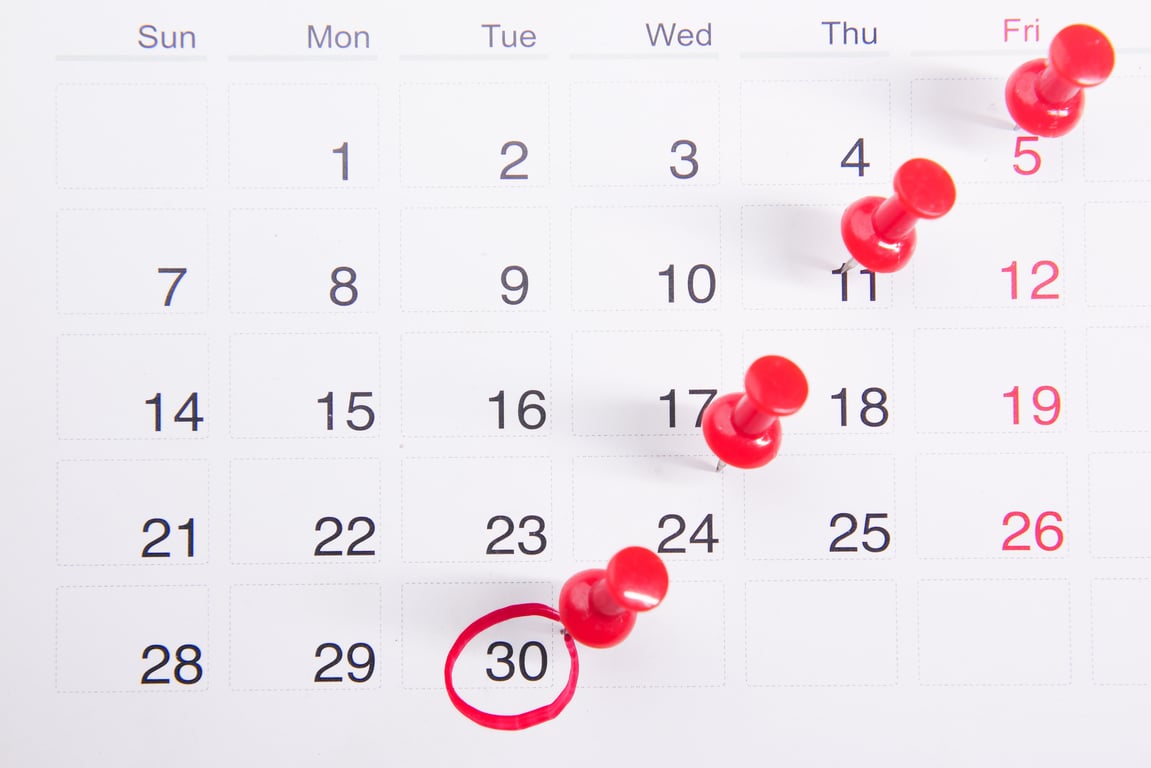
Photo by Towfiqu barbhuiya on Unsplash
The scenario: long-term assignments that need “check-in” reminders
A common operations pattern is:
A placement/assignment has a start date and an expected end date
If the assignment is longer than a threshold (for example, more than 4 weeks), someone needs a periodic reminder
The reminder should repeat on a cadence (for example, every 21 days) and stop when the assignment ends
This is typical in staffing, field operations, onboarding, compliance renewals, and any situation where "set it and forget it" turns into "we forgot to check in." If your team manages complex workflows in Power Automate, the patterns below will save you hours of debugging.
Checklist: pick the right automation pattern
Use this checklist to decide which approach below fits your constraints.
Confirm your source of truth for the schedule
SharePoint list
Excel table
A CRM/ATS record (like Bullhorn) mirrored into a list
Confirm what “recurring reminder” actually means in your case
A real recurring calendar event
A one-off event created repeatedly on a schedule
An email or Teams reminder instead of a calendar event
Confirm who should receive reminders
One person (owner)
A rotating team
A shared mailbox / shared calendar
Confirm how the reminder should stop
Stop on the assignment end date
Stop after N occurrences
Stop when status changes (e.g., “Completed”)
Once you have those answers, choose the implementation. (If you're not sure which pattern fits your org, Connex can help you map it out — no commitment required.)
Option 1: Use Microsoft Graph recurrence (API call) when the connector falls short
Use this when you truly need a calendar-series recurrence rule (like “every 3 weeks”), and you need it to stop cleanly on a specific end date.
How it works
Power Automate detects a long-term assignment (for example, duration > 28 days).
Instead of “Create event (V4)” with built-in recurrence, the flow makes an HTTP call to the Microsoft Graph API to create the event with a recurrence pattern.
The recurrence rule lives on the event series, so you don’t need a separate scheduler to keep creating events.
When to choose it
You need precise recurrence (every 21 days / every 3 weeks).
You want a single event series that can be edited/cancelled later.
You have the ability (and permission) to register an Entra ID app or use an approved connector for Graph.
Gotchas to plan for
Authentication and permissions are the real work.
You need a reliable mapping between the assignment record and the calendar event (store the event ID back in your list).
Option 2: Scheduled flow + date math (create single events on a cadence)
Use this when you don’t need a “true recurring event series.” You just need the reminders to appear reliably.
How it works
A scheduled flow runs daily (or hourly).
It queries assignments that are active, past the reminder cadence threshold (e.g., today's date ≥ last reminder date + 21 days), and whose end date is still in the future.
long-term (duration > threshold)
active (today is between start and end)
due for a reminder (today is start + 21 days, or last reminder + 21 days)
For each match, it creates a single calendar event (or sends an email) and updates a “Last reminder date” field so you don’t duplicate.
When to choose it
You want the simplest, most supportable solution.
You’re okay with one-off events instead of a recurring series.
You want easy control over “stop conditions” (status, end date, cancellation).
Gotchas to plan for
You must make the flow idempotent (avoid duplicate reminders).
Time zones matter, especially if your “due” logic relies on dates rather than datetimes.
Option 3: Spreadsheet-driven schedule (precompute the reminders, then automate from the table)
Use this when your team already lives in a spreadsheet or you want the schedule to be visible and auditable.
How it works
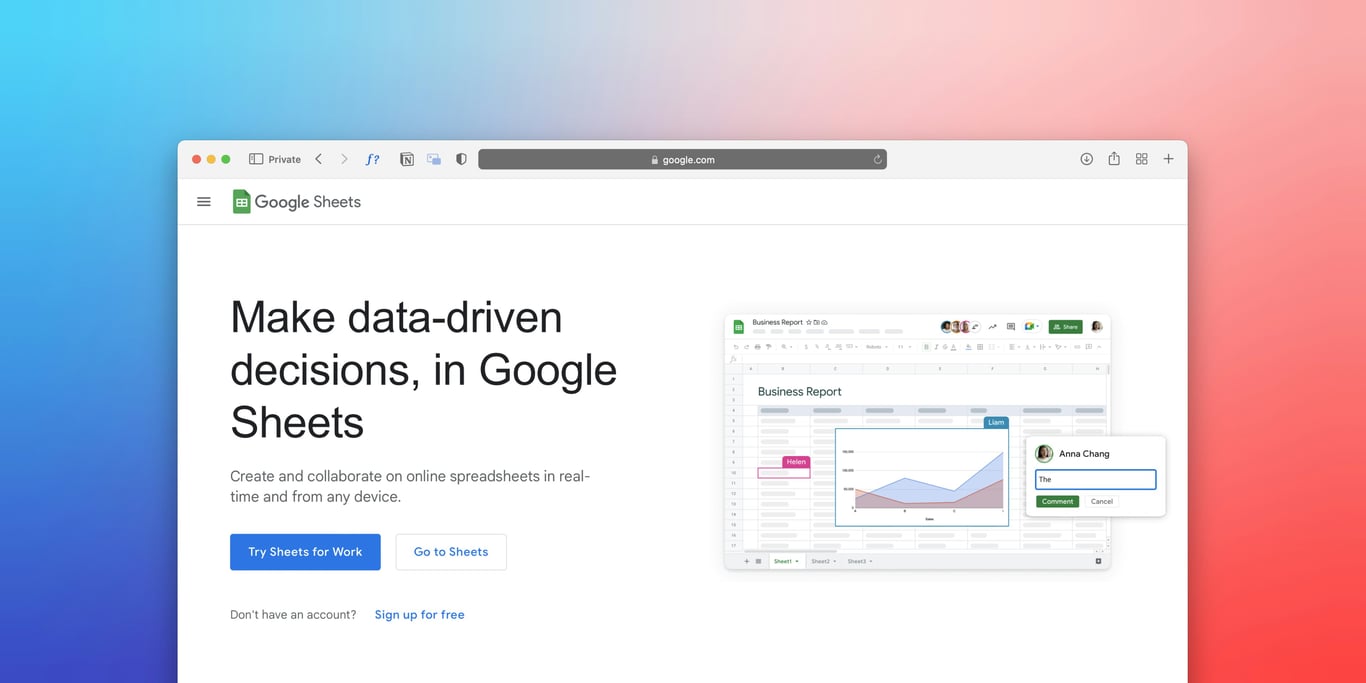
In Excel, generate the reminder dates as rows (one row per reminder date per assignment).
The schedule becomes explicit: each row shows the assignment name, the reminder date, and a "Sent?" flag — making it easy to audit, override, or extend.
Assignment ID
Reminder date
Owner
Reminder type (calendar/email)
Sent? (checkbox)
Power Automate watches the table for rows where “Reminder date is today” and “Sent? is false”, then sends/creates and marks it sent.
When to choose it
You want transparency (anyone can see upcoming reminders).
You want easy manual overrides.
You’re doing this for a smaller number of long-term assignments and want predictable behavior.
Gotchas to plan for
You need a clean process to regenerate the schedule if end dates change.
Excel concurrency and row locking can bite at higher volume.
Implementation tips (these prevent 80% of “why didn’t it fire?” issues)
1) Store the assignment duration in days (don’t fight rounding)
Instead of trying to compute “weeks,” calculate end_date - start_date in days and compare to a threshold like 28.
2) Separate “new placement” logic from “extension” logic
In most staffing workflows, the assignment end date changes over time. Decide whether reminders should:
be based on the original start date, even if extended, or
restart when extended, or
continue on the same cadence but stop at the updated end date
3) Create a dedicated calendar for long-term reminders
A separate calendar (shared with the team) makes reminders easier to spot, easier to mute, and safer to automate without cluttering personal calendars. See how Connex approaches automation design for more patterns like this.
4) Decide how reminders should appear
For example:
All-day event (good for “check in sometime today”)
Timeboxed event (good for “call at 10:00 AM”)
Email reminder (good when calendars aren’t the system of record)
A simple recommended path (most teams)
If you want the best balance of reliability and maintainability:
Start with Option 2 (scheduled flow + date math).
If the business insists on “one recurring series,” graduate to Option 1 (Graph recurrence).
Use Option 3 when the schedule must be visible, audited, or manually adjusted.
Need help setting this up in Power Automate?
Connex builds Power Automate flows that actually fire when they should — no duplicate reminders, no missed check-ins, no manual tracking. If you want the cleanest pattern for your scenario, book a free discovery call and we'll show you which approach fits your setup.
Build an automated crawler that finds broken links and missing images, logs each issue to Notion, and routes fixes to an owner, so you skip the manual audits.