Stop missed emails in Zapier (Outlook rules + backup parser)
Outlook rules that move emails into subfolders make Zapier miss them. Trigger on the right folder, add a Zapier Email Parser backup, and backfill misses safely.
If you’re missing emails in Zapier because Outlook rules move them into subfolders, stop relying on an inbox-only trigger. Point the Zap at the folder the email actually lands in, add a Zapier Email Parser mailbox as a backup for lead capture and booking emails, and keep a simple backfill process so missed emails can be reprocessed safely.
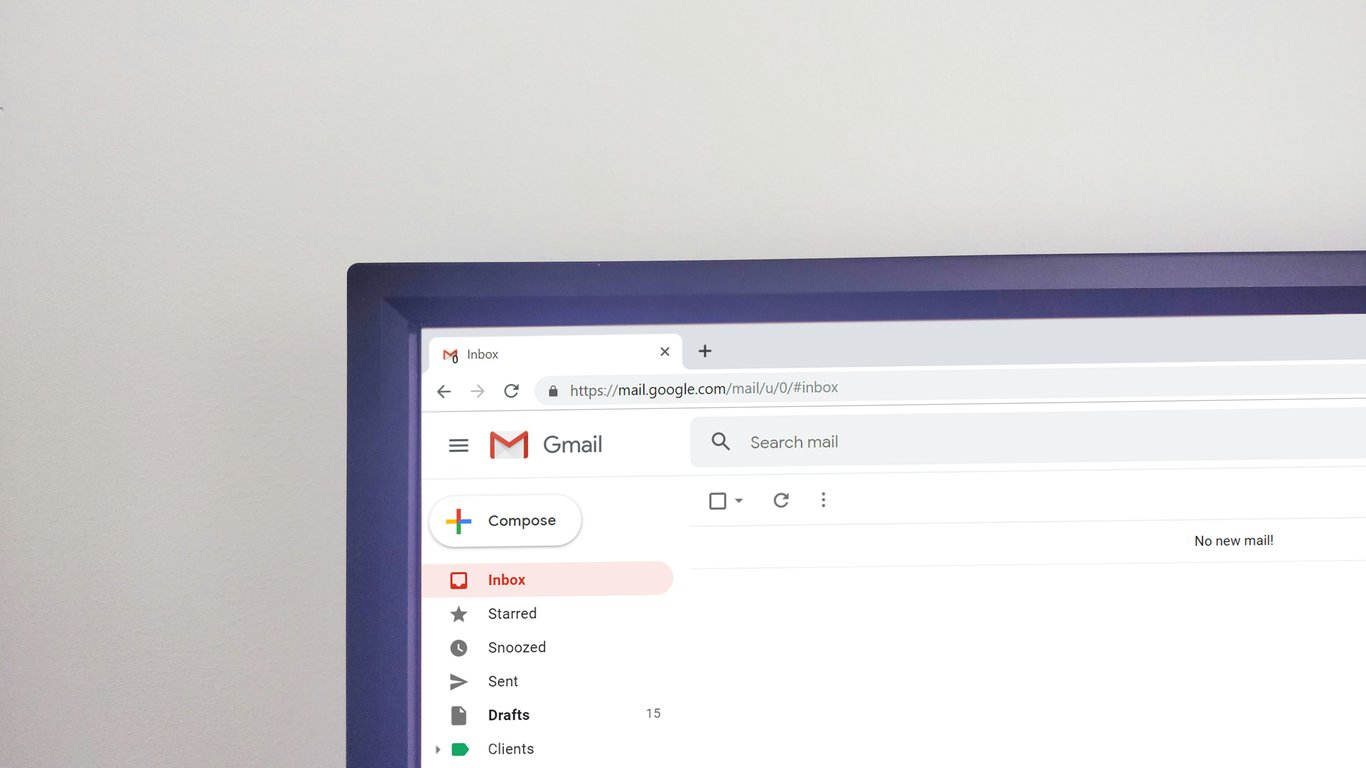
Zapier email parser backup for missed Outlook emails. Photo by Kit (formerly ConvertKit) on Unsplash
Why Zapier “misses” Outlook emails when folder rules are involved
Most “missed email” issues are not random. They happen when a Zap is watching one mailbox location (often the Inbox) while Outlook rules silently move messages somewhere else.
Common ways this shows up:
Outlook rules (or teammate workflows) move booking confirmations, receipts, or notifications into subfolders before your Zap sees them.
You have multiple folders for different message types (Booked, Canceled, Signed & Filed), but the Zap only watches one.
You’re using a shared mailbox, and folder behavior or permissions vary across clients.
If the email doesn’t land where the trigger is watching, the Zap never starts, so nothing downstream runs.
Fix path A: Trigger on the folder that actually receives the emails
Zapier’s Microsoft Outlook triggers (New Email in Personal Inbox and New Email in Shared Mailbox) include optional Parent Folder and Child Folder fields. Set them to the destination folder instead of leaving the trigger on the Inbox (as of October 2026, check Zapier’s current trigger options). If you intentionally sort emails into folders (Booked Flights, Canceled Flights, Signed & Filed), watching that destination folder is more reliable than watching the Inbox.
Use this approach when:
The folder is the “approved” staging area (someone reviews then files it).
You want to keep the Inbox clear for real human messages.
Folder membership is the business signal (ex: “this agreement is signed,” “this booking is confirmed”).
Operational note: if you split categories (Booked vs Canceled), keep separate Zaps for each folder. That makes the logic smaller, easier to maintain, and less likely to break when formats drift.
Fix path B: Add a Zapier Email Parser mailbox as a backup
Even with the best folder-based trigger, you still need a recovery path for silent misses.
The pattern we use:
Create a dedicated mailbox in Zapier Email Parser (or an Email by Zapier inbound address).
Build a “backup” Zap that triggers when messages are forwarded into that parser inbox.
Feed the same downstream processing as your primary Zap (parse → upload file → update system).
Now, if anything is missed (folder rules, permissions, transient auth issues), you can forward the original email to the parser inbox and re-run the workflow.
Fix path C: Build a repeatable backfill / reprocessing workflow
A reliable automation is not just “it runs when it runs.” It also has a playbook for when it doesn’t.
Here’s a lightweight backfill approach that works well for email-triggered workflows:
1) Keep a “Processed” folder (and move items at the end)
If your Zap moves or files emails, put that action at the very end of the Zap.
If something fails mid-way, the email stays unprocessed and is easy to find.
If it succeeds, the email is archived cleanly.
2) Backfill by forwarding missed emails
When you identify a gap (ex: “we’re missing emails between July 20–24”), do a controlled backfill:
Forward the missed emails into the parser mailbox
Start with 1–2 tests to confirm formatting is still compatible
Then forward the rest in batches
3) Add a small delay to prevent bulk reprocessing issues
If you’re forwarding many messages at once, add a delay step early in the Zap (or between heavy steps).
That smooths out rate limits and avoids a pile-up that causes intermittent failures.
4) Use idempotency checks to avoid duplicates
When a reprocessed email might create a duplicate record:
Search first (by itinerary number, message ID, booking reference, or subject)
If found, update instead of create
This keeps the backfill safe even when you’re re-running older messages.
Troubleshooting checklist (quick)
Use this when you’re trying to isolate the cause quickly:
Does the email land in the folder your Zap watches (Inbox vs subfolder)?
Are there Outlook rules moving it before Zapier can detect it?
Is this a shared mailbox (folder sync/visibility differences can happen)?
Do you have separate logic per message type (Booked vs Canceled vs Changes)?
Do you have a recovery path (forward-to-parser) and a backfill playbook?
For most Outlook workflows, this ends up being the stable design:
Primary Zap: trigger on the specific folder that represents “ready to process”
Backup Zap: forward-to-parser to reprocess missed items
Backfill process: documented steps for replay + delays + dedupe
Get help making your email Zaps reliable
Folder rules, shared mailboxes, and silent misses are the most common reasons email-triggered Zaps break. If your Outlook workflow is dropping emails or creating duplicates when you reprocess them, book a free call with a Connex consultant and we’ll map the trigger, backup parser, and backfill steps with you.
Learn how to build a Make scenario that reads Zoho CRM email replies, uses AI to classify intent, and auto-responds to warm leads — without manual triage.