Workflow Automation and AI Blog from Connex How a Mid-Sized Mortgage Lender Finally Closed the Attribution Loop — Connecting Velocify, Three Ad Platforms, and Zapier When No Native Integration Existed
How a Mid-Sized Mortgage Lender Finally Closed the Attribution Loop — Connecting Velocify, Three Ad Platforms, and Zapier When No Native Integration Existed
How a regional mortgage lender automated offline conversion tracking across Google, Bing, and Meta using Zapier and the Velocify API — no weekly manual exports.
A regional mortgage lender was spending heavily on paid search but had no visibility into which Google, Bing, or Meta campaigns were actually producing funded loans — because the click ID captured at the ad click was getting stranded in their lead management system and never made it back to the ad platforms. Connex built a custom Velocify API integration and Zapier automation that fires offline conversion events to all three ad platforms the moment a loan changes status — automatically, with no weekly manual export required.
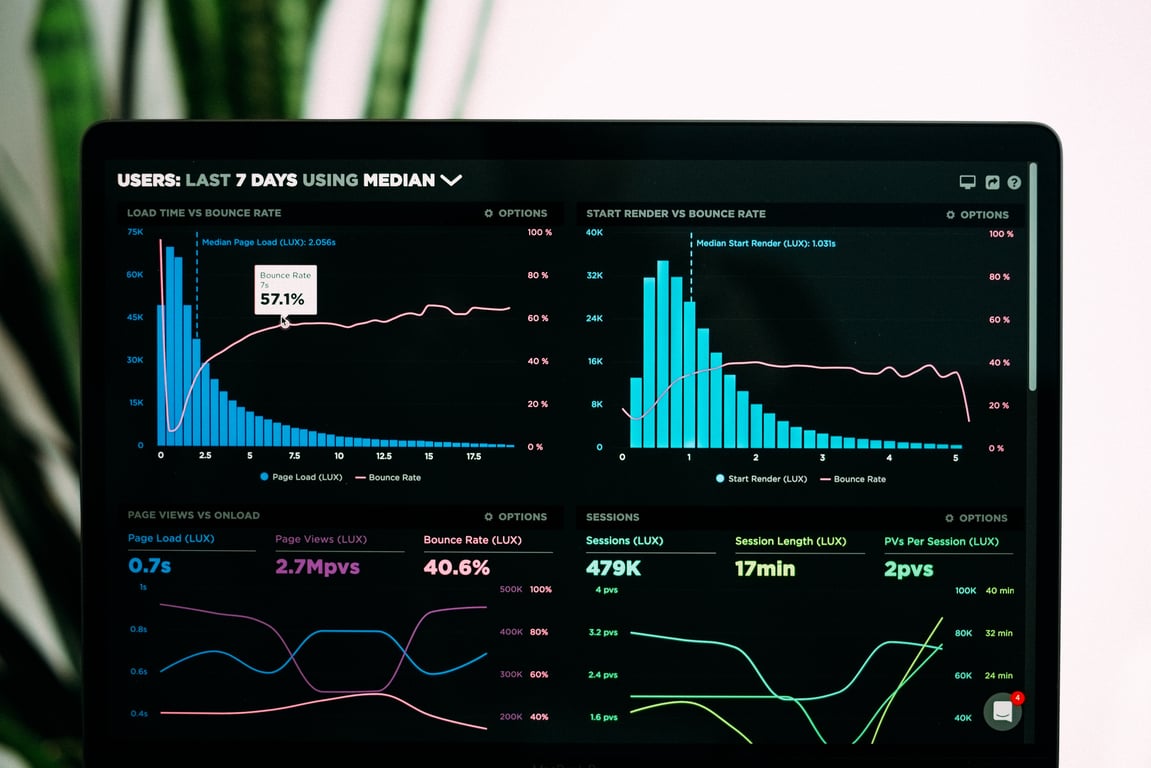
Photo by Luke Chesser on Unsplash
The Situation
A regional mortgage lending company in the US Midwest runs active paid search campaigns across Google, Bing, and Meta. Leads come in two ways: web forms (which route into their Velocify lead management CRM automatically) and inbound phone calls (tracked via CallRail). From Velocify, qualified leads get pushed into Encompass — their loan origination system — where the loan actually closes.
Google paid search is their primary lead acquisition channel. When a lead converts to a funded loan weeks or months later, that's the conversion that actually matters to the business — not the form fill, not the phone call.
The Problem
Their attribution was broken — and they knew it.
When someone clicks a Google ad, Google passes a GCLID (Google Click ID) that gets captured in Velocify as a custom field. But that GCLID never followed the lead into Encompass — and it definitely never made it back to Google Ads as a conversion signal when the loan funded. The same problem existed for Microsoft Click IDs (Bing) and Meta click identifiers.
The result: Google's algorithm was optimizing for form fills, not funded loans. The ad spend was flying blind. The marketing team knew loans were coming from paid search, but they couldn't prove which campaigns, keywords, or audiences were actually producing revenue — not form submissions.
Their operations manager described the manual workaround: her team was pulling conversion data from Velocify every week, formatting it, and uploading it to each ad platform by hand. Three platforms, weekly, every week — a manual loop that was error-prone, time-delayed, and never truly accurate because some loans close months after the initial click.
What They'd Already Tried
The team had explored native integration options. The problem: none of the systems involved — Velocify, Encompass, or LOS Phi — have official Zapier apps. There's no plug-and-play connector. Velocify uses a SOAP/XML API that requires direct API calls; Encompass is a locked enterprise LOS with its own developer program. The usual route of stringing together pre-built connectors simply didn't exist for this stack.
They'd reached out to Velocify's support team about API access and were pointed to the developer documentation — but nobody on their team had the time or technical depth to build custom API calls into an automation workflow. They were stuck.
What We Built
The Connex team built a multi-platform offline conversion attribution system using Velocify's API, Zapier, and custom extraction logic — no off-the-shelf connectors involved.
Here's how it works:
Trigger on loan status change: When a lead in Velocify moves to a conversion-relevant status ("locked" or "closed"), a Zapier automation fires via Velocify's SOAP API — using the GetLeadsBySpan endpoint to poll for status changes and filter for records that match.
Click ID extraction logic: Custom logic identifies which click IDs are present in each lead record — Google Click ID (Velocify custom field 1332), Microsoft Click ID (field 1333), and Meta Click ID (parsed from UTM parameters in field 1326). A lead from Google has a GCLID; a lead from Bing has an MSCLKID; Meta leads carry their own identifier. The logic routes accordingly.
Platform-specific conversion firing: Each click ID type routes to its own conversion API path — Google Ads offline conversions, Microsoft Ads offline conversions, and Meta Conversions API — with a lookup table mapping Velocify status IDs to the correct conversion action IDs for each platform.
Graceful handling of mixed sources: Not every lead has a click ID — some come through organic, referral, or direct channels. The automation filters these out cleanly; only leads with a valid platform click ID trigger a conversion event, preventing false attribution data.
The build ran across three working sessions spanning approximately two weeks: initial scoping and API access setup, Velocify API connectivity and field mapping, and the extraction logic and platform routing.
The Results
The immediate operational win: the team's weekly manual conversion export — pulling data from Velocify, formatting it for each platform, and uploading to three ad systems — is eliminated. At approximately 3–4 hours per week across the ops team involved, that's an estimated ~$7,000–9,000/year in labor recaptured at a blended $45/hour rate.
Estimated impact: based on the reported weekly manual conversion data export process (three platforms, formatted manually each week) and a blended $45/hr labor rate. Actual savings depend on team wage rates and time allocation.
The larger strategic outcome is harder to put a single number on but more important: Google, Bing, and Meta can now optimize toward the conversions that actually matter — funded mortgage loans, not web form completions. With accurate offline conversion data flowing back in real time, the algorithm learns which audiences, keywords, and creatives produce borrowers who fund — not just people who fill out forms. For a company where a single funded loan drives thousands of dollars in revenue, even modest improvements to campaign targeting efficiency compound quickly.
What the Team Said
The operations lead described their situation before the engagement this way: they knew loans were coming from paid search, but without the attribution loop closed, they couldn't prove which campaigns were actually producing revenue — not just form fills. The urgency was high: ad budgets were being allocated based on incomplete data, and the manual weekly export was a persistent operational drain.
By the third session, the extraction and routing logic was in place and the Zap was ready for testing. The path to a working attribution pipeline was clear — and fully automated.
Frequently Asked Questions
Does this work if we don't use Velocify? What if our CRM is different?
The architecture applies broadly: any CRM or LOS that stores click IDs at lead capture can feed offline conversions back to ad platforms via Zapier + API, as long as a status-change event is trackable. We've connected similar patterns using Salesforce, HubSpot, and custom databases. The Velocify-specific work here was the API access setup; the logic and routing layer is reusable across stacks.
How long did this take to build?
Three working sessions across approximately two weeks — from initial API access and scoping through the extraction logic and platform routing. The time was concentrated at the API connectivity layer (Velocify's SOAP API required direct investigation) and the multi-platform routing logic. Once the field IDs were confirmed and the extraction logic was written, the Zapier side came together quickly.
What access did Connex need?
Read access to the Velocify API (under an existing admin user account) and write access to their Zapier account. No access to Encompass was required — the solution monitors status changes in Velocify, where the GCLID data lives, rather than trying to pull from the LOS. Keeping the integration at the Velocify layer kept the technical scope manageable and avoided the more complex Encompass API.
We're not in mortgage — does this pattern apply to us?
If your sales cycle is long (weeks or months between ad click and close), you run paid search, and your CRM stores click IDs — this problem exists for you too. The symptom is ad platforms showing high click volume and mediocre conversion rates while your sales team is closing deals that clearly came from those campaigns. The fix is the same: close the attribution loop by firing an offline conversion event at the moment that matters to the business, not the moment the form was filled.
Ready to close your attribution loop?
If you're spending on paid search and your CRM data never makes it back to Google, Bing, or Meta — we can help. Book a call at https://connex.digital/book/website and we'll map out where your attribution is breaking.
A NYC performing arts nonprofit was running its operation across 10+ disconnected tools. Here's how they automated proposals, invoicing, and client intake.
Four tools, no single source of truth. See how Connex migrated a consulting firm from Salesforce and Pardot into a single Airtable CRM with Make automation.