The automation consultant market isn’t “shrinking” so much as splitting.
The low-end work (basic triggers, simple Zaps, one-off workflows) is getting cheaper and faster because clients can build more of it themselves. But the high-value work (reliability, monitoring, cross-account maintenance, and outcomes tied to revenue or risk) is expanding—because AI and modern stacks also create more moving parts.
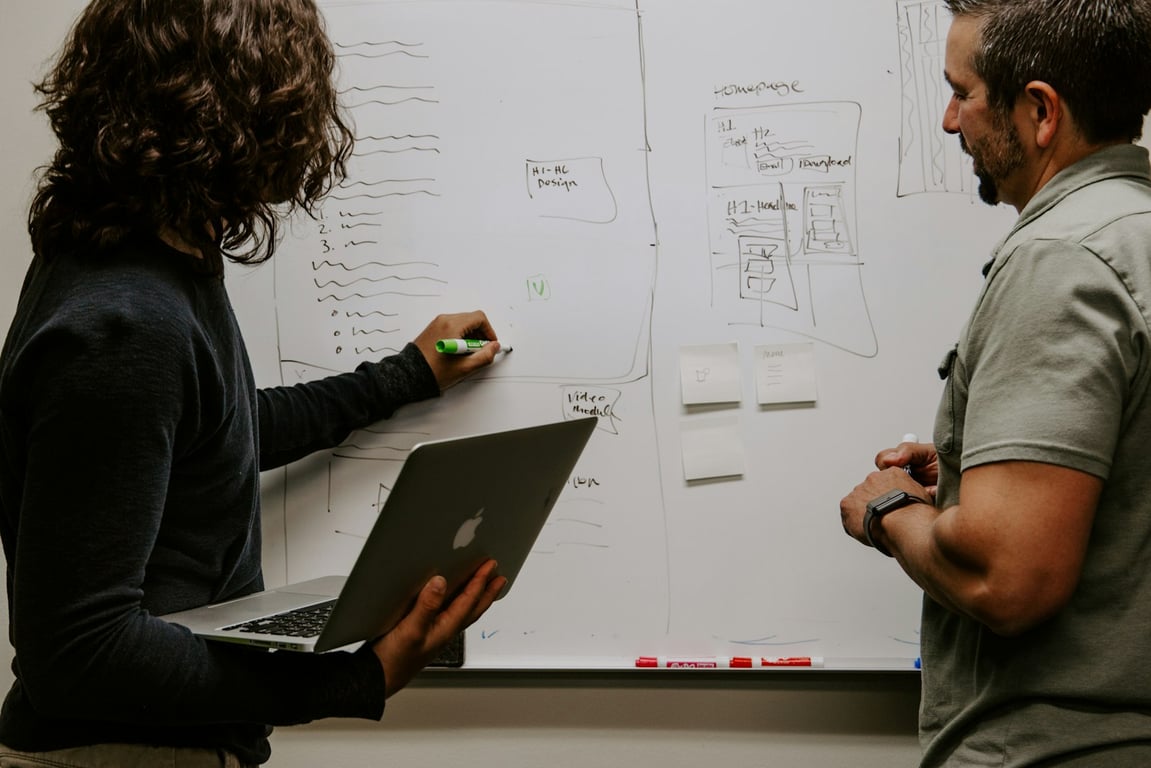
Photo by Dylan Gillis on Unsplash
If you’re a Zapier automation consultant and it feels like the ground is shifting, that’s real. The winning move is to stop selling hours and start selling one of two things: a packaged product or a managed service.
Why it feels like the market is shrinking
Three changes are happening at once:
Clients have more capability.
Between AI assistants, better templates, and more vendor docs, many teams can now create a “good enough” workflow without hiring a specialist.
The center of gravity moved from “build” to “operate.”
The hardest part isn’t wiring tools together once—it’s keeping the system healthy across months.
The work is more bespoke, not less.
Even when two clients ask for “the same automation,” the edge cases are different: permissions, data quality, ops process, compliance requirements, and how handoffs actually happen.
The two consultant archetypes that will keep winning
1) Productized automation (subscription)
Productization works when there’s a repeatable outcome, even if the underlying workflow has variation.
Examples:
“Lead-to-CRM cleanup + routing” subscription
“Missed-call → follow-up workflow” package
“Weekly reporting + anomaly alerts” package
The differentiator isn’t the workflow diagram—it’s:
onboarding that doesn’t require constant handholding
clear limits (what’s included, what’s not)
a client-facing portal for configuration
a path to expansion (tiers, add-ons, usage caps)
2) Managed automation (reliability + maintenance)
Managed services win when the client values predictability and uptime more than novelty.
If you’ve ever dealt with:
expired tokens
reconnect requests
brittle parsers
“it worked last month” errors
…then you already know what people will pay for.
Managed automation becomes a service when you can say:
how issues get detected
how quickly they get fixed
what gets logged
what gets tested after changes
What to package (and what not to)
Good candidates for packaging
workflows that touch one core business system (CRM, ticketing, billing) plus a small set of satellites
workflows where 80% of value comes from rules and data quality, not fancy UI
automations with clear outcomes (response time, lead speed-to-contact, fewer manual steps)
Bad candidates for packaging
workflows that require deep custom code on every install
workflows with heavy, unique compliance constraints per client
workflows where the “last mile” is always a custom internal process
How AI changes the business model
AI doesn’t just reduce build time—it increases expectations.
If a client can spin up a prototype in a day, they’ll ask:
“Why does this still break?”
“Why can’t we monitor it?”
“Why isn’t there a standard onboarding flow?”
So the consultant value shifts from “I can build it” to:
“I can make it run without drama.”
“I can keep it running when tools change.”
“I can own the reliability layer.”
A practical pivot plan for consultants
Pick one repeatable workflow family.
Don’t start with “automation for everyone.” Start with one workflow that shows up constantly.
Create a templated onboarding.
Even if the workflows vary, onboarding can be consistent.
Add lightweight monitoring.
Alerts, health checks, and a weekly “nothing broke” report are often enough to start.
Sell outcomes, then sell operation.
Build is the entry. Ongoing reliability is the business.
Tooling note: why the platform isn’t the product
Platforms like Zapier are great orchestration layers, but clients rarely want to “buy a Zap.”
They want a result.
The product is:
the onboarding experience
the configuration layer
the monitoring
the maintenance
the clarity around ownership
If you want a faster, guided way to pressure-test packaging (without months of guessing), you can run a working session through ZoomFlow.
Transitioning from project-based work to packaged or managed automation usually breaks at the same point: figuring out what to include, what to charge, and how to define "done." If you’ve hit that wall, book a ZoomFlow session — one of our consultants can pressure-test your packaging model with you live and help you define the scope before you take it to a client.
How a branded-merchandise company used Make and Pipedrive to automate self-serve store onboarding: next-step emails, 24-hour reminders and a 48-hour drip.
How a 3-tech equipment service business turned AI-answered calls into a technician dispatch board in Airtable that sorts calls, routes them, and closes jobs.
A small nonprofit connected fundraiser, school, and sponsor sign-up forms to Salesforce with Zapier, merged duplicate workflows, and added error alerts.