Podcast production workflow: consistency checklist
Podcast production workflow checklist: prep guests, fix audio/lighting, record fast, and hand off cleanly so you publish consistent episodes every time.
If your podcast production workflow feels chaotic, the fix is a repeatable checklist: prep the episode, prep the guests, run a clean recording, then hand off the assets the same way every time. The goal isn’t perfection — it’s a consistent process that makes “publish” the default.
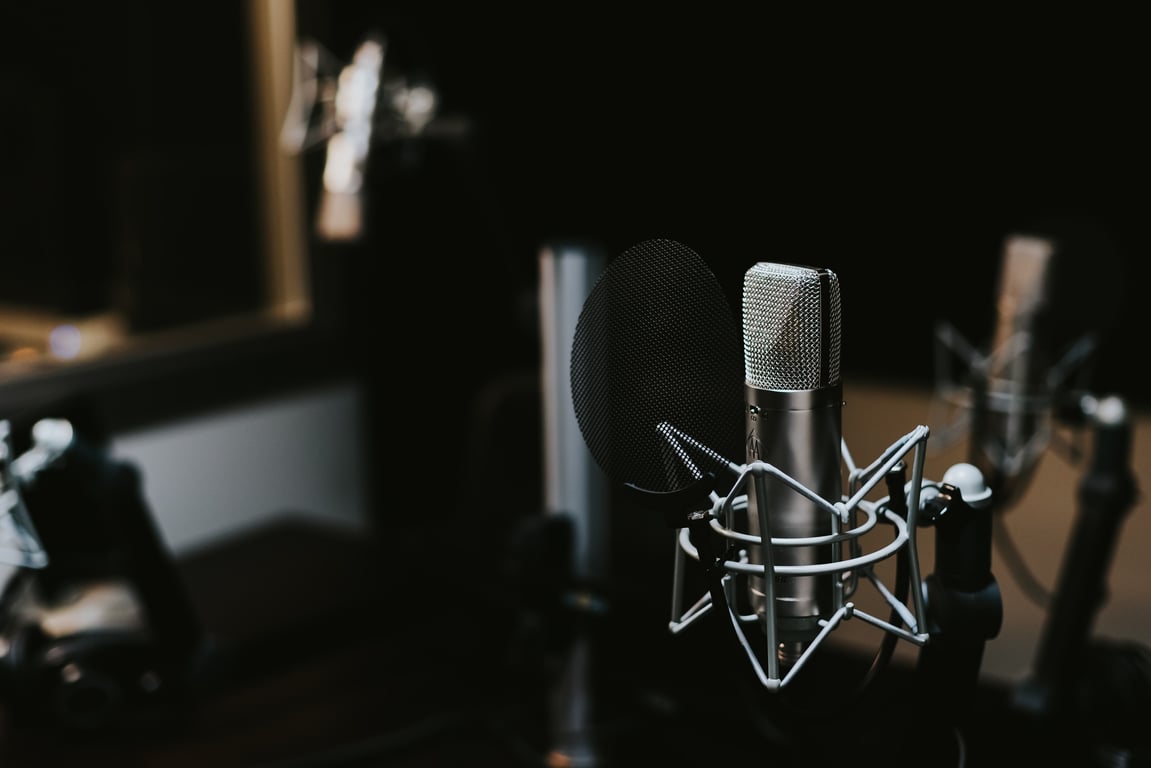
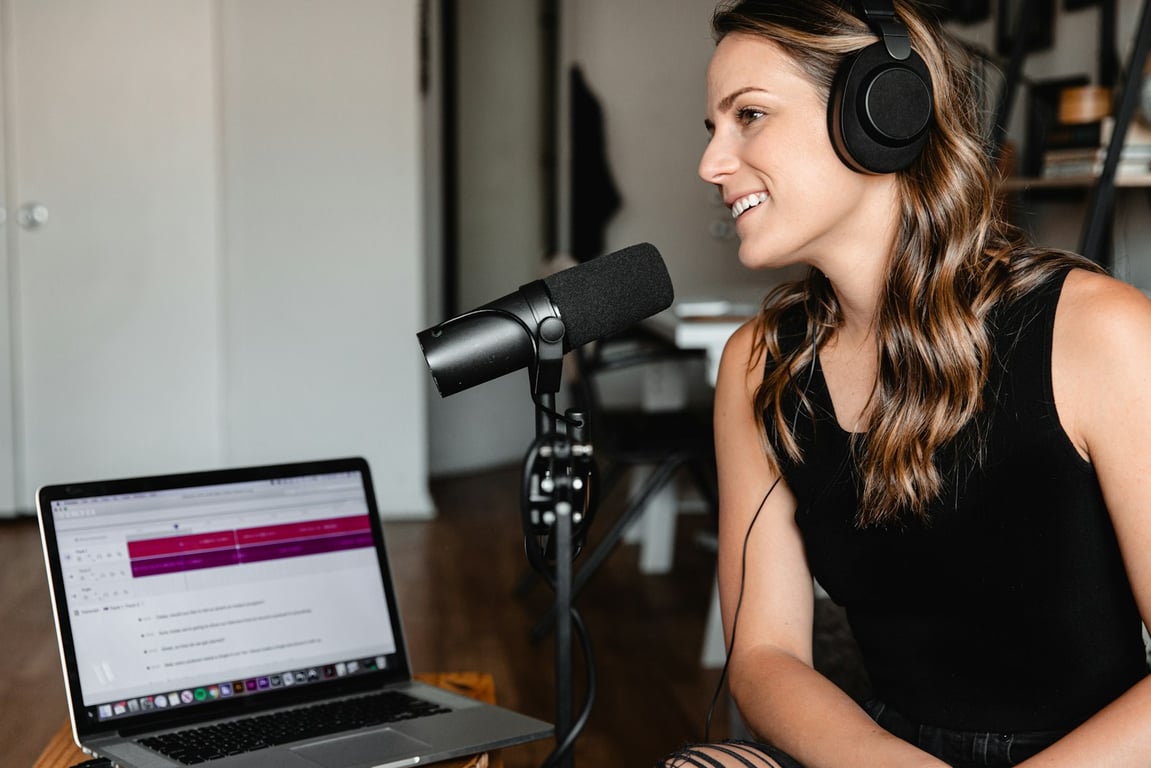
Photo by Will Francis on Unsplash — podcast production workflow setup
Podcast production workflow checklist (end-to-end)
1) Define what “done” means for one episode
Before you start, align on the finish line.
What counts as the final deliverable? (audio-only, video + audio, clips)
Where will the final assets live? (drive folder, project portal)
Who signs off on the cut?
What’s the publish cadence? (weekly, biweekly, monthly)
2) Pre-production checklist (48–72 hours before recording)
Create the episode entry in your production tracker/portal (title, date, host, guests, topic)
Draft the episode outline as scan-friendly bullets (not a full script)
Pick the first question (or opening hook) so you can start fast
Prepare episode-specific notes for the host (guest names, topic, key bullets)
Confirm the CTA for the episode (offer, next step, link)
3) Guest prep checklist (send 24–48 hours before)
The biggest quality issues are predictable — prevent them.
Ask guests to use a real mic (or at least wired earbuds)
Ask guests to record in a quiet room (no HVAC/echo)
Ask guests to wear headphones (prevents echo)
Share a simple lighting tip (face a window; avoid harsh overhead light)
If they wear glasses: adjust lights to reduce glare
Share the recording link + a “join 5 minutes early” instruction
Confirm who’s responsible for pacing (host vs producer)
Confirm the “redo” protocol: if something is off, pause and re-record that section
5) Run-of-show checklist (during recording)
Start fast: open with the first question or hook (skip the long context intro)
Help guests relax early: aim for a natural, conversational cadence in the first 3 minutes
Use the outline as a guide, not a script
If an intro is needed, record it at the end while everything is fresh
Leave space for disagreement / back-and-forth when it shows up (it’s often the best part)
6) Post-production handoff checklist (immediately after recording)
Confirm recording is stopped and saved/uploading correctly
Label the episode consistently (same naming every time)
Hand off a clear “recording is done” signal to production (message + link to assets)
Include notes for the editor:
any re-takes to use
sections to cut
any clip-worthy moments
Update the production tracker status (e.g., “Recorded — ready for edit”)
7) Publish cadence checklist (weekly/monthly ops)
Hold a short monthly production check-in (what’s working, what’s slowing you down)
Do a quarterly strategy review (format, guest mix, topics, conversion)
Keep a small backlog so missing a week doesn’t break the habit
Common quality failures (and how to prevent them)
Audio and lighting problems
These usually come from missing prep — not “bad luck.” Send guest setup instructions ahead of time and run a 60-second tech check before you hit Record.
Awkward early minutes
If the opening feels stiff, switch to a “start fast” structure: ask the first question immediately, then record the polished intro at the end.
Host gets buried in documents
If the host is reading a long show-flow document while recording, the conversation will suffer. Use episode-specific notes instead.
And if you want help building a clean production portal + handoff automations, that’s exactly what we do in ZoomFlow: ZoomFlow
Get help building a consistent podcast production workflow
If you want a checklist-driven production process (guest prep, recording quality, and a reliable handoff so editing starts immediately), Book a discovery call.
Build a podcast marketing kit database for automated posting assignments: owner, channel, due date, and ready-to-post copy, plus Slack and email reminders.