OpenTable automation stack for multi-location restaurant retention (checklist)
OpenTable integration for multi-location restaurants — connect guest data to email, CRM, and reviews to automate welcomes, birthdays, and lapsed-guest reactivation.
Multi-location restaurant groups can absolutely use OpenTable as the “source of truth” for reservations and guest profiles — but most retention outcomes (lapsed-guest reactivation, birthday triggers, post-visit feedback routing, review workflows, and cross-location reporting) require an automation layer that connects OpenTable to email/SMS, a CRM, and dashboards. This checklist shows what to set up first, what to expect from OpenTable alone, and the practical integrations that fill the gaps.
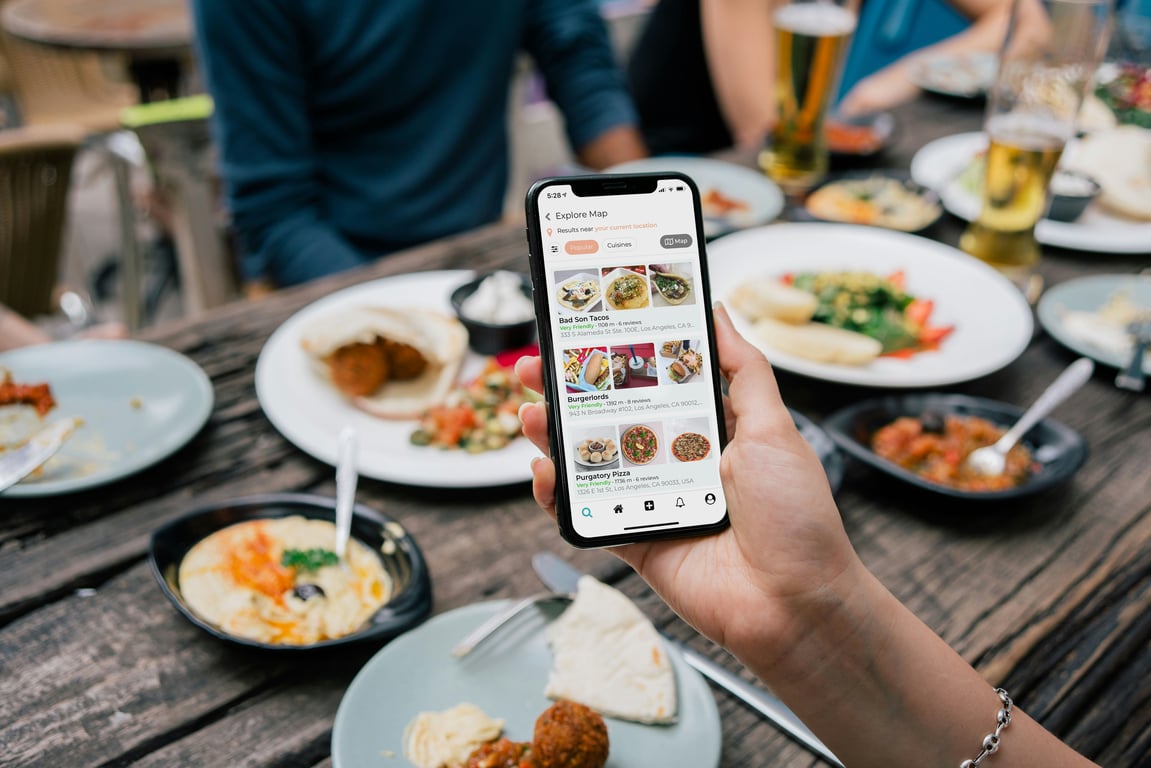
Photo by Jay Wennington on Unsplash
Quick answer: what stack do you actually need?
For most multi-location groups, the simplest “works in the real world” stack looks like:
OpenTable for reservations + guest profiles (cross-location)
One marketing destination (email/SMS platform or CRM) for segments + campaigns
An automation layer to sync events and trigger workflows (examples: webhooks, Make, Zapier, or other iPaaS tools)
A feedback + reviews workflow that routes issues to management before they hit public review sites
A reporting layer that unifies location KPIs (covers and repeat rate, lapsed guests, CSAT/NPS, review velocity)
If you’re migrating in the next 10–14 days, focus on getting the “data plumbing” right first — the fancy campaigns can come after.
Step 1: Confirm what OpenTable will own (and what it won’t)
Before you build anything, answer these for your account:
Which locations are included in the same OpenTable environment (so guest history is truly cross-location)?
What guest fields do you reliably capture (email, phone, birthday/anniversary, preferences)?
What reporting does your team actually trust today — and what do you wish you could see in one view?
Reality check: OpenTable is strong at reservations + guest profiles, but the “retention machine” usually depends on the tools you connect to it.
Step 2: Standardize guest identity across locations
Multi-location restaurants run into messy data fast (duplicate profiles, mismatched emails, missing phone numbers).
Checklist:
Decide your primary identifier: email (best for email marketing) or phone (best for SMS).
Set staff SOPs for capturing missing fields during confirmation or check-in.
If you have a POS and an AI phone/reservation assistant, ensure they map to the same guest record.
Step 3: Build the 5 core retention automations (minimum viable)
These are the workflows that consistently drive repeat visits without a complicated points program.
1) New guest welcome + second visit nudge
Trigger: guest’s first completed visit.
Day 0–1: thank-you message + “book again” CTA
Day 14: soft reminder with seasonal hook
Day 30: “we’d love to see you again” offer or menu highlight
2) Lapsed guest re-engagement (multi-location)
Trigger: no visit in 60–90 days (set your threshold by concept and seasonality).
Segment by last-visited location and favorite day/time if you have it
Route “VIP/high value” guests into a different message path
3) Birthday (and anniversary) triggers
Trigger: birthday/anniversary on file.
Start simple: one message 7 days before, one on the day
Use location-based personalization (closest location, or last visited)
4) Post-visit feedback capture + escalation
Trigger: completed visit.
Ask for private feedback first
If rating is low: route to management for recovery
If rating is high: invite public review (Google, OpenTable, etc.)
5) Reservation follow-ups (no-shows, cancellations, special requests)
Trigger: reservation updated.
Confirmation + reminder sequence
Special request alerts (allergies, accessibility) to the right person
No-show/cancel flows that protect the relationship (not punitive)
Step 4: Decide where “marketing truth” lives
A common failure mode: OpenTable has segments; your email tool has segments; the POS has segments; nothing matches.
Pick one destination as the source for:
subscription status / opt-in
segmentation rules
campaign history
Then sync OpenTable into that destination.
Step 5: Build dashboards that match how operators think
Multi-location teams usually need dashboards that answer:
covers by location and by daypart
repeat-visit rate and “visit frequency” cohorts
lapsed guests count by location
review volume + average rating trend
campaign impact (bookings / revenue lift, if you can measure it)
If OpenTable’s native reporting doesn’t match these questions, use a dashboard layer that can combine OpenTable + POS + review sources.
Step 6: Test the system like a restaurant operator (not like a developer)
Before you declare anything “done,” run a simple test plan:
Create a test guest, book a reservation, complete a visit
Confirm the correct automations fire (welcome, feedback, etc.)
Verify the guest shows up in the right segments
Ensure location attribution is correct (last visited vs home location)
Confirm escalation messages go to the right manager
Common pitfalls to avoid
Trying to launch loyalty and reporting at the same time as the reservation migration
No owner for data hygiene (duplicates + missing fields will kill ROI)
Over-automating before you’ve proven one lapsed-guest campaign works
Not documenting SOPs (front-of-house and managers need clear steps)
Get help building this
Getting the OpenTable integration right for a multi-location group usually breaks at the same two points: messy guest identity across locations, and fragmented "marketing truth" split between OpenTable, the POS, and your email tool. If you've hit those walls, book a ZoomFlow session — one of our consultants can map the full retention stack with you live and ship the working integrations in the same call.
Build an automated crawler that finds broken links and missing images, logs each issue to Notion, and routes fixes to an owner, so you skip the manual audits.