If you want an executive mastermind group that actually changes how leaders make decisions about AI (not just a quarterly chat that fades into the background), run it with a hot-seat format: one leader brings a real challenge, everyone else helps them think clearer, and the session ends with a concrete commitment.
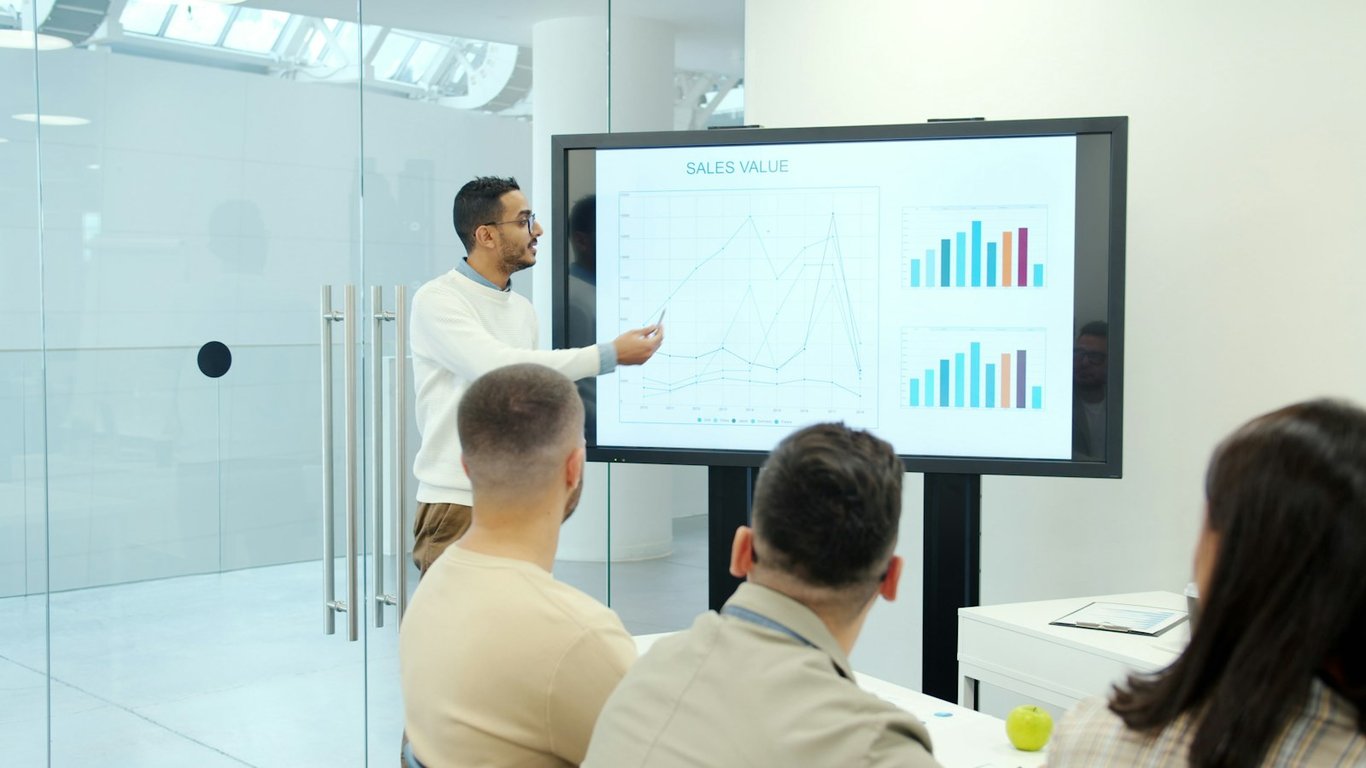
Photo by Dylan Gillis on Unsplash
What is an executive mastermind group (and why leaders use them)
An executive mastermind group (also called a peer group) is a small circle of leaders who meet on a cadence to:
pressure-test decisions
share patterns from their industries
get unstuck on high-stakes problems
stay accountable to strategic priorities
For AI leaders, the value is magnified: the landscape changes quickly, internal adoption is messy, and “what works” depends entirely on team structure, tooling choices, and how far along your organization actually is.
The hot-seat model (the structure that keeps masterminds executive-level)
The problem with many peer groups is the format: conversations drift, louder personalities dominate, and action items disappear.
A hot-seat solves that by giving the meeting a tight container.
Hot-seat agenda (60 minutes)
Use a single hour. Keep it consistent.
Opening (5 min)
quick wins / updates (one sentence each)
confirm who’s in the hot seat today
Presenter sets context (8–10 min)
The hot-seat leader shares:
the situation (high level)
constraints (time, budget, team realities)
what they’ve tried
what decision they’re stuck on
the one question they want answered
Clarifying questions (8–10 min)
Everyone asks questions to understand the situation.
no opinions
no advice
no “I would…”
Silent reflection (1–2 min)
A short pause so people stop reacting and start thinking.
Gut reactions + patterns (20–25 min)
Round-robin feedback.
2–3 minutes each
presenter stays silent and takes notes
focus on patterns, tradeoffs, and options (not tactics)
Commitment + accountability (5–7 min)
Presenter ends with:
the decision they’re making (or the next experiment they’ll run)
1–3 actions they’ll complete by the next meeting
what they want the group to hold them accountable for
How to choose the right members (so the group is safe and valuable)
The ideal executive mastermind group is curated, not open-invite.
Member criteria checklist
Aim for 6–8 members who are:
non-competing (no direct market overlap)
at a similar stage (revenue, team size, complexity)
willing to share numbers, mistakes, and internal tensions
committed to showing up consistently
able to give strategic feedback (not just tool tips)
A practical “fit” screen (3 questions)
Ask prospective members:
What’s a decision you made in the last 90 days that you regret? (tests honesty)
What’s your current AI adoption bottleneck? (tests relevance)
What do you want this group to change about your leadership? (tests intent)
Monthly vs quarterly cadence: what to pick
Quarterly sounds efficient, but it often fails because:
the group forgets context
accountability resets to zero
“hot seat” issues don’t get revisited soon enough
Recommended cadence
Monthly (60–90 min): best balance for most exec groups
Biweekly (60 min): best if members are actively driving AI transformation
Quarterly (half-day): works only if you pair it with a lightweight monthly accountability check-in
If you’re starting from scratch, default to monthly for the first 3–6 months and reassess.
How to keep discussions executive-level (especially for AI)
AI peer groups can easily devolve into “tool talk.” That’s useful sometimes, but executives need the strategy layer.
Use these facilitation rules:
Lead with outcomes, not tools: “reduce support tickets” before “build an agent.”
Name the adoption problem: strategy is easy; behavior change is hard.
Clarify the operating system: who owns AI internally, and how decisions get made.
Make tradeoffs explicit: buy vs build, speed vs control, experimentation vs governance.
Example hot-seat prompts for AI leaders
How do I lead a team into AI adoption when usage is inconsistent?
Where should AI live in the org chart: ops, IT, product, or a dedicated enablement function?
What should we replace first: a workflow, a role, or a full SaaS tool?
How do we keep experimentation moving without increasing risk?
Facilitation tips that prevent dominant personalities
Hot seats only work if the room is balanced.
Use round-robin feedback, not open discussion.
Put a timekeeper in charge (not the facilitator).
Give the presenter a clear rule: no defending, just listening.
If someone goes long, interrupt kindly and move on.
A simple launch plan for your first executive AI peer group
Step 1: Host a meet-and-greet (45 minutes)
Goal: confirm fit, values, and what “good” looks like.
Step 2: Agree on the rules (10 minutes)
confidentiality
attendance expectations
no selling
hot-seat structure
Step 3: Run a trial cycle (3 meetings)
After three hot seats, decide:
keep the group
adjust cadence
swap members if needed
Common failure modes (and how to avoid them)
Too big → cap at 8.
Too many stories → require one question.
No accountability → commitments at the end, reviewed at the start.
Mixed stages → similar complexity beats impressive titles.
Tool-first AI talk → insist on outcomes + adoption plans.
Final takeaway
A strong executive mastermind group is less about who’s in the room and more about the structure that turns conversation into decisions.
If you run a 6–8 person AI peer group with a hot-seat format, you’ll create a forum where leaders can talk about real constraints, make better strategic calls, and actually follow through.
Ready to build a peer group that drives action?
If you want help designing the format, screening members, or turning AI strategy into an adoption plan your team will actually follow, book a ZoomFlow session — one of our consultants can work through your specific format and member mix with you live.
A restaurant-tech company built an AI SMS support agent that reads customer photos, answers from its Notion knowledge base, and hands unclear cases to humans.